Air Traffic Overview

Helicopters

Training Flights

Understanding Training Flights and VFR Traffic Patterns at Centennial Airport

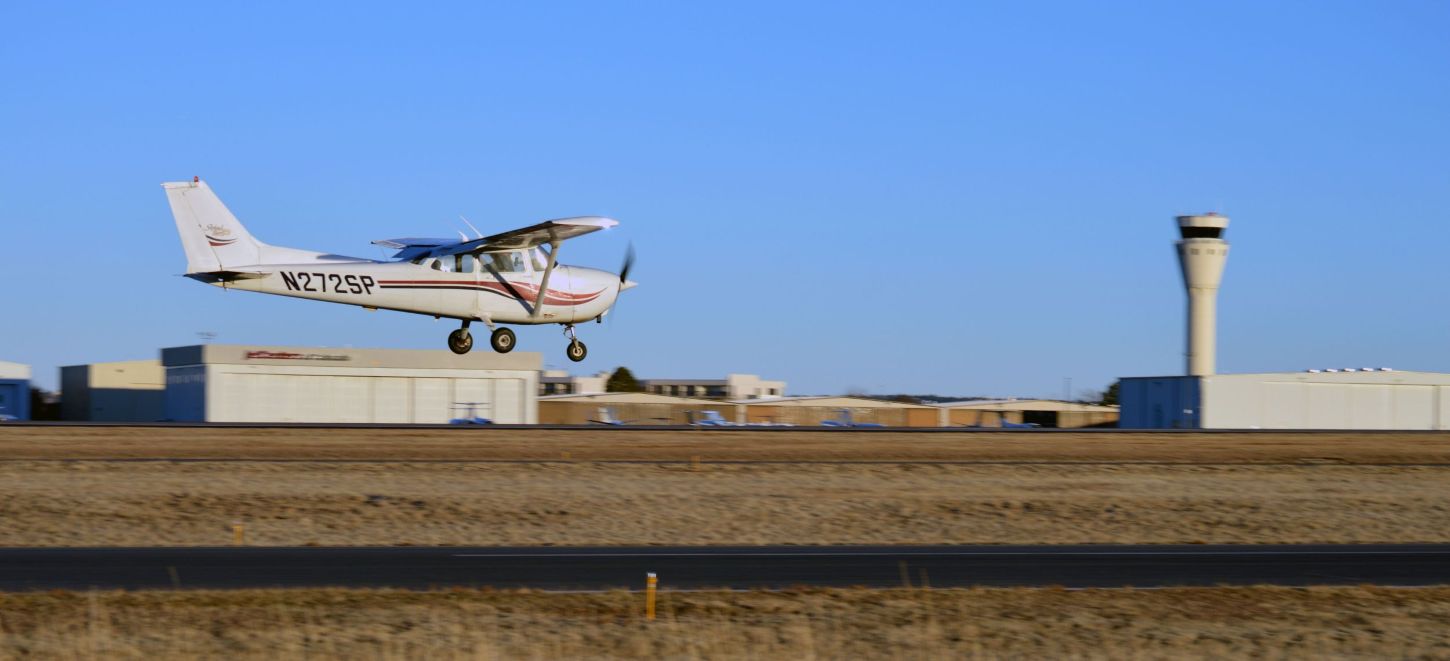
Centennial Airport is a vital hub for a wide range of aviation activities—from business jets and emergency medical flights to flight training for new and experienced pilots alike. One important part of flight training involves practicing takeoffs and landings repeatedly, often referred to as touch-and-go operations. Other types of training include full-stop taxi-backs and stop-and-go’s.

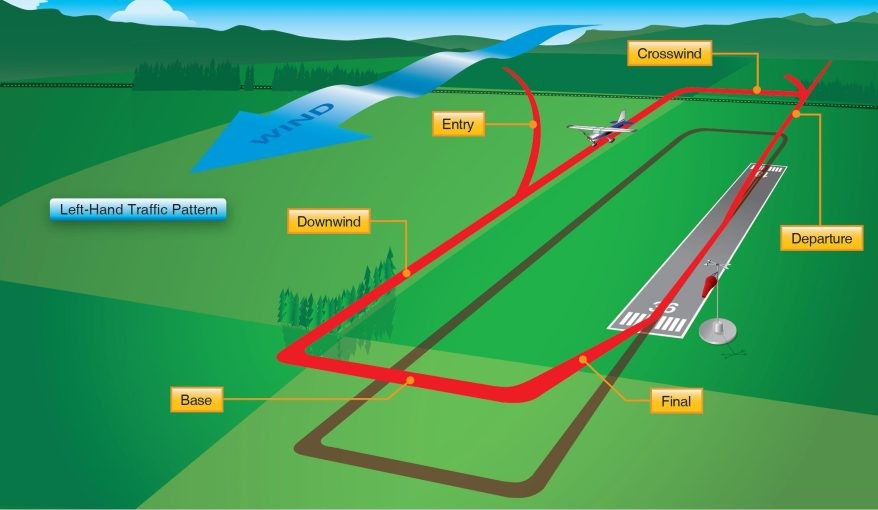
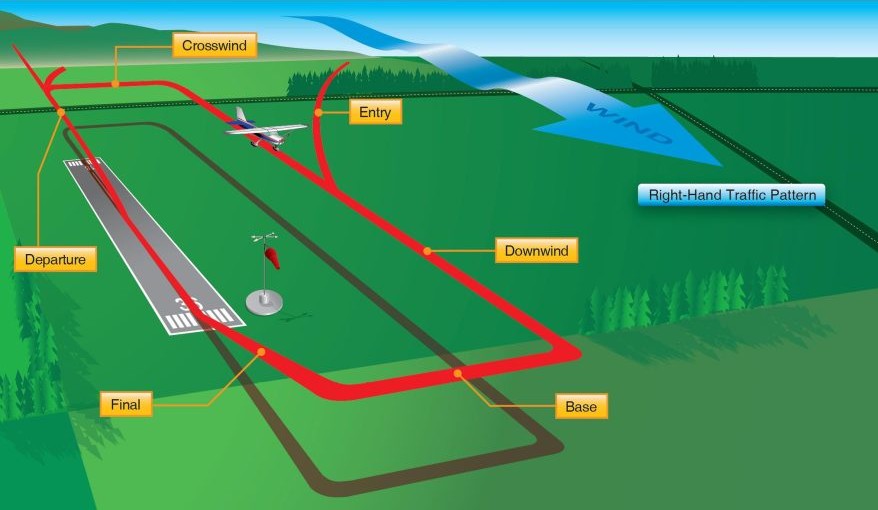
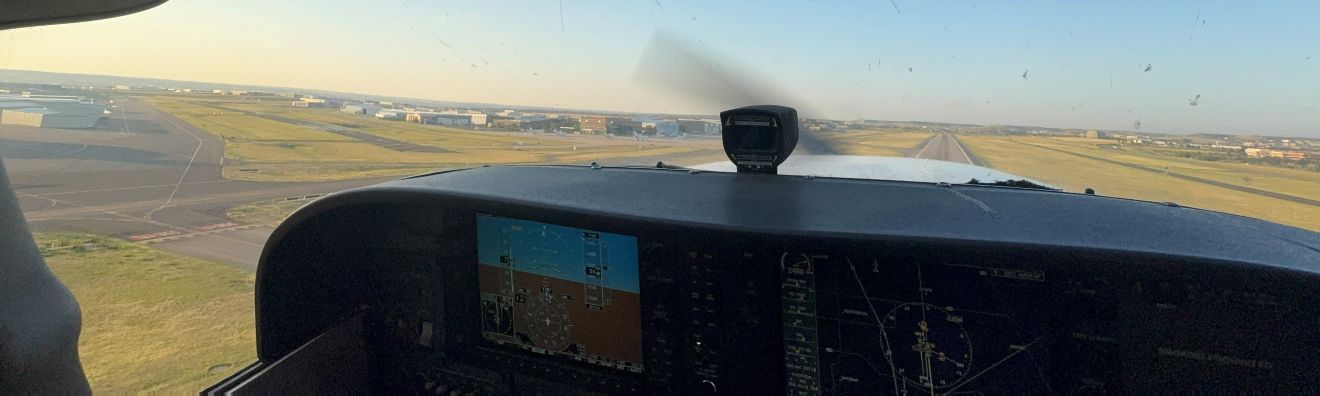
Training flights happen at airports large and small, including Centennial. Pilots, whether students or seasoned professionals, practice takeoffs and landings multiple times during a single flight. This means flying a circuit, or “traffic pattern,” around the airport—a loop designed to help pilots safely gain experience.

At Centennial, pilots fly a standard traffic pattern which involves a series of legs that create a rectangular path around the runway. These legs include:

This pattern is flown repeatedly during training.

Touch-and-go training means the plane lands but doesn’t come to a full stop—it quickly adds power and takes off again to repeat the circuit. A full-stop taxi-back means the aircraft lands then taxis back to the departure runway for takeoff and to re-join the traffic pattern. In a stop-and-go, the plane lands, comes to a complete stop on the runway and applies power for takeoff again . These procedures help pilots practice essential skills but can lead to more runway activity and repeated overflights of the same areas, especially during busy training sessions. Because these circuits involve flying over the same area multiple times, training flights often occur at lower altitudes and may be more noticeable than typical arrivals or departures.

Training isn’t just for new pilots—experienced pilots regularly practice to keep their skills sharp and meet safety requirements.

Practicing takeoffs, landings, and traffic patterns under various conditions—including day, night, and different weather—is critical for pilot proficiency and safety. These repetitive circuits prepare pilots for real-world flying and ensure the overall safety of everyone using the skies around Centennial.

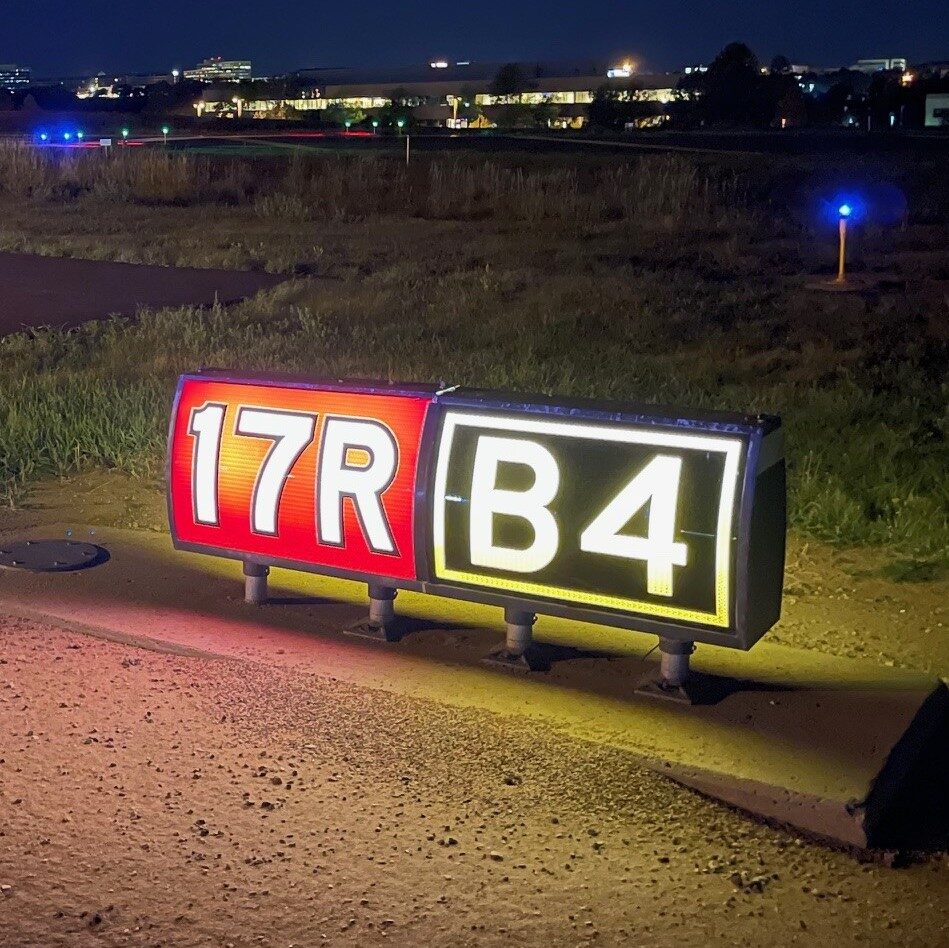
Night Flights

Why Centennial Airport Has Night Flights: Serving Our Community Around the Clock

Centennial Airport is committed to serving the aviation needs of the Denver metro area and beyond—day and night. One of the most common questions we receive is why the airport remains operational 24/7, including nighttime flights. The answer lies not only in federal regulations but also in our vital role in supporting emergency services and public safety.

Centennial Airport receives federal funding through the Federal Aviation Administration’s (FAA) Airport Improvement Program (AIP). Under Title 49 of the United States Code (U.S.C.), Subtitle VII, Part B, Chapter 471, airports that accept federal grants are required to remain open to all types of aeronautical activity without unjust discrimination and must operate continuously unless closed for emergencies or maintenance. Specifically, 49 U.S.C. § 47107(a)(1) mandates that “an airport receiving federal funds must be available for public use on reasonable conditions and without unjust discrimination.”

This means Centennial Airport must remain open 24 hours a day, 7 days a week, including for nighttime operations.

The Life-Saving Role of Night Flights

While some nighttime flights are related to business aviation or air cargo, others are critical to saving lives. Centennial Airport serves as a base of operations for medical evacuation (medevac) flights, which often occur during nighttime hours when emergencies arise.

These flights transport patients in critical condition to specialized care facilities, deliver life-saving organs for transplant, or carry medical personnel to rural hospitals during emergencies. Time is of the essence in such cases, and the ability to take-off or land a flight at any hour—regardless of the clock—is vital.

Balancing Operations and Community Concerns

We understand that nighttime noise can be a concern for nearby residents, and we are committed to working with the community on voluntary noise abatement procedures and flight paths that minimize disruption. However, it’s important to recognize that some flights—especially emergency ones—must operate regardless of the hour to ensure public health and safety.

Unique Operations

Centennial Airport is well-known as one of the busiest general aviation airports in the United States. As a General Aviation airport, Centennial supports all forms of aviation other than Part 121 Scheduled Air Carriers. In addition to our role of supporting private, corporate, and training flights, Centennial occasionally hosts a variety of specialized aviation operations. These missions are essential to public safety, national defense, and the integrity of the aviation system, and while they may be out of the ordinary, they are carefully coordinated to maintain safety.

Medevac Flights

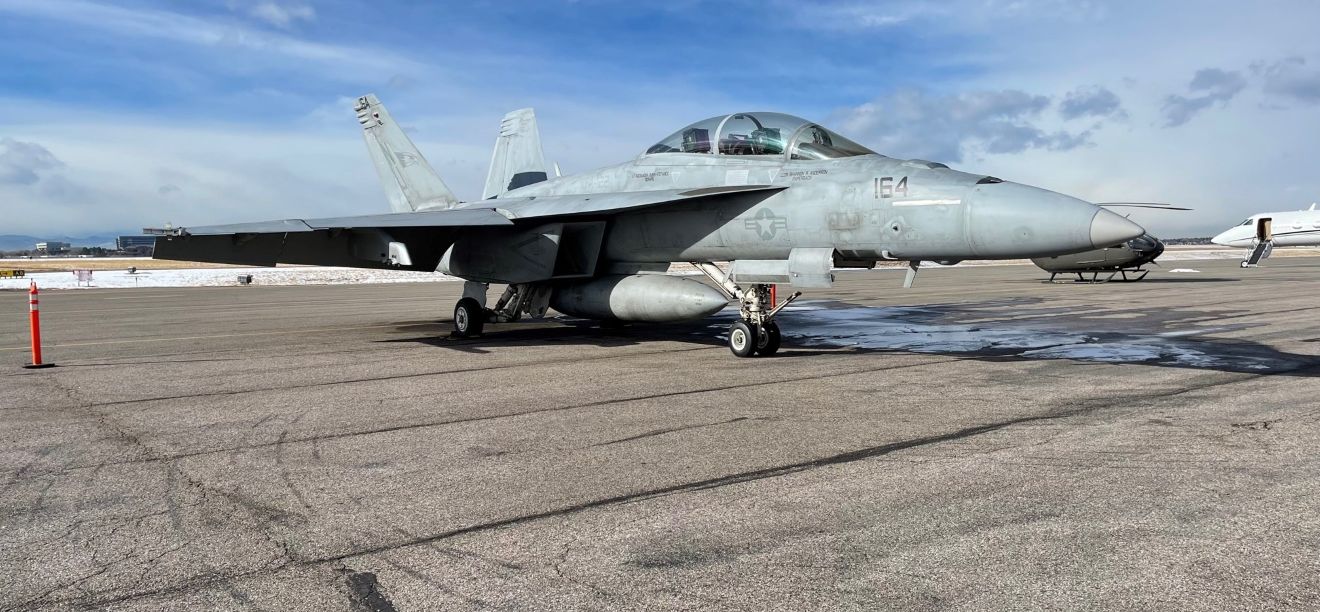
Military Flights

Although Centennial is a civilian airport, it supports military aircraft operations, often for training, transport, or logistical support. These flights are authorized under federal law, which ensures that military aviation units have access to the National Airspace System, including public-use airports, for readiness and operational purposes.

Firefighting Operations

During Colorado’s wildfire season, Centennial Airport plays a strategic role in supporting aerial firefighting efforts. Air Tankers and helicopters may be temporarily based at the airport to assist in fire suppression throughout the Front Range and beyond. Air Tankers and helicopters may also use the airport for refueling depending on proximity to fires.

You may notice:

These aircraft are operated by federal, state, and local firefighting agencies and are authorized for rapid deployment as needed. Their presence is critical to protecting lives, property, and natural resources.

Instrumentation Flight Checks

Most major airports have advanced navigation systems installed that help pilots navigate and land at the airport. It is important that these systems are accurate to maintain a high level of safety and regular maintenance is performed.

One critical element is the calibration flight. This is where an aircraft will test the navigation systems by using them to navigate and land at the airport. To ensure full and complete testing, multiple passes are often required. This can result in the testing aircraft performing multiple repeat passes and flying in areas not typically overflown.

These highly specialized aircraft are flown by FAA crews trained to verify the accuracy and performance of navigational systems, which is essential for safe aircraft operations across the National Airspace System.

Practice Area Operations

A practice area is a general block of airspace used by flight schools and instructors to perform training maneuvers like stalls, steep turns, ground reference maneuvers, and slow flight. These areas are essential for helping student pilots gain experience in a safe, controlled environment away from the busy airspace immediately surrounding the airport.

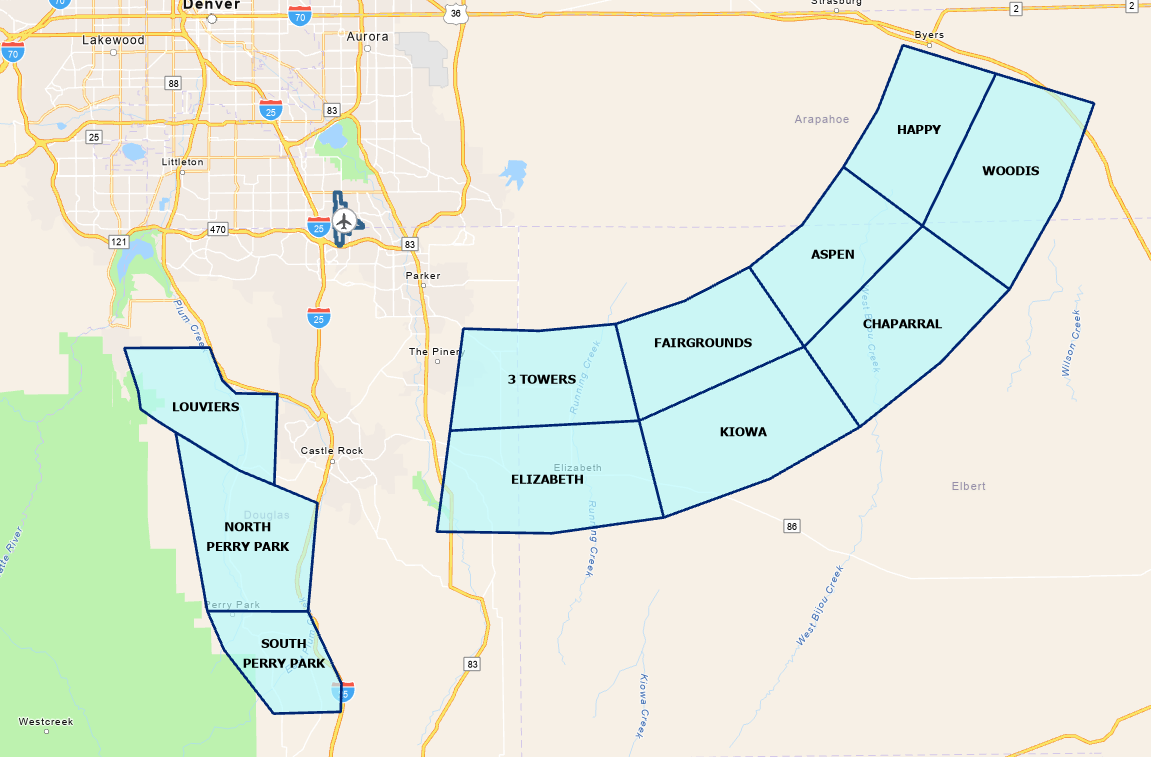
It’s important to note that Centennial Airport does not officially designate or manage practice areas. Instead, the locations of these areas are determined by local flight schools operating at or near Centennial Airport. These schools choose specific areas based on factors like proximity, airspace classification, terrain, and typical traffic flows. While these locations are widely recognized by instructors and students, they are not published by the airport or FAA.

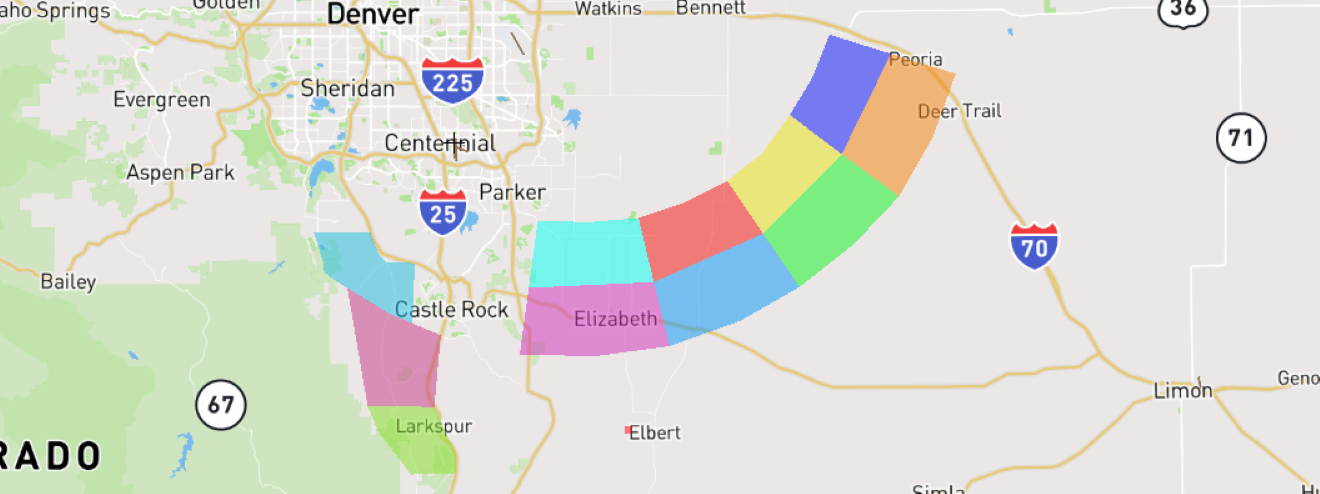
Typically, Centennial-based schools use several commonly accepted practice areas southeast and southwest of the airport, often in less congested airspace. The map below shows the practices areas around Centennial Airport. However, since these areas are not officially charted or assigned, pilots must rely on proper radio communication, visual scanning, and situational awareness to operate safely.

Understanding how and where training flights operate helps everyone—from students and instructors to local residents and transient pilots—maintain safety and situational awareness in the skies around Centennial Airport.